Choosing The Right Retractable Screens For Your Home
Retractable screens have become a popular addition to modern homes, offering both visual appeal and practical benefits. These systems allow homeowners to enjoy open-air spaces while helping manage exposure to insects and outdoor elements. Selecting the right retractable screens depends on how the space will be used, the type of opening, and the level of coverage needed. With multiple configurations available, understanding the core options helps ensure a better fit for each home or outdoor area. This guide explores key considerations and common applications for retractable screen systems.
Clear Overview of Retractable Screens
Explain the Basics of Retractable Screens
Retractable screens are designed to provide flexible coverage for open spaces such as patios, porches, doorways, and large outdoor openings. Unlike fixed screens, these systems can be extended when needed and retracted when not in use, allowing for an open or enclosed feel depending on the situation. They are commonly used in residential and commercial environments where adaptable outdoor access is important. This flexibility makes them a practical option for spaces that serve multiple functions throughout the year.
Highlight the Benefits of Retractable Screens
Retractable screens offer a clean, streamlined appearance when not in use, helping maintain open views and architectural design. When deployed, they help create more comfortable outdoor living or seating areas by providing a barrier against insects and debris. They also allow users to adjust how open or enclosed a space feels, making them suitable for changing weather and seasonal use. This adaptability supports both everyday living and occasional entertaining needs.
Explore Applications of Retractable Screens in Various Home Settings
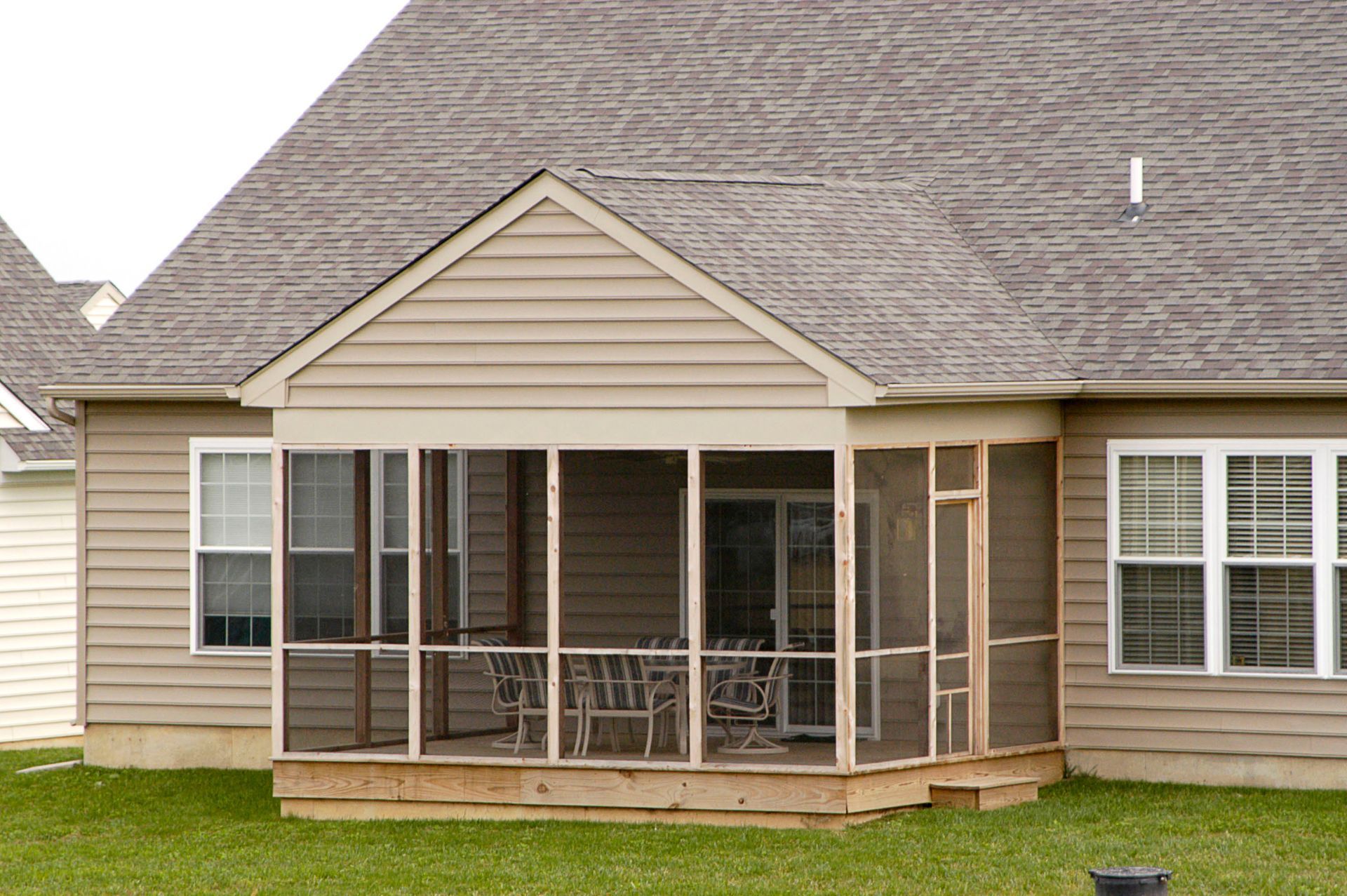
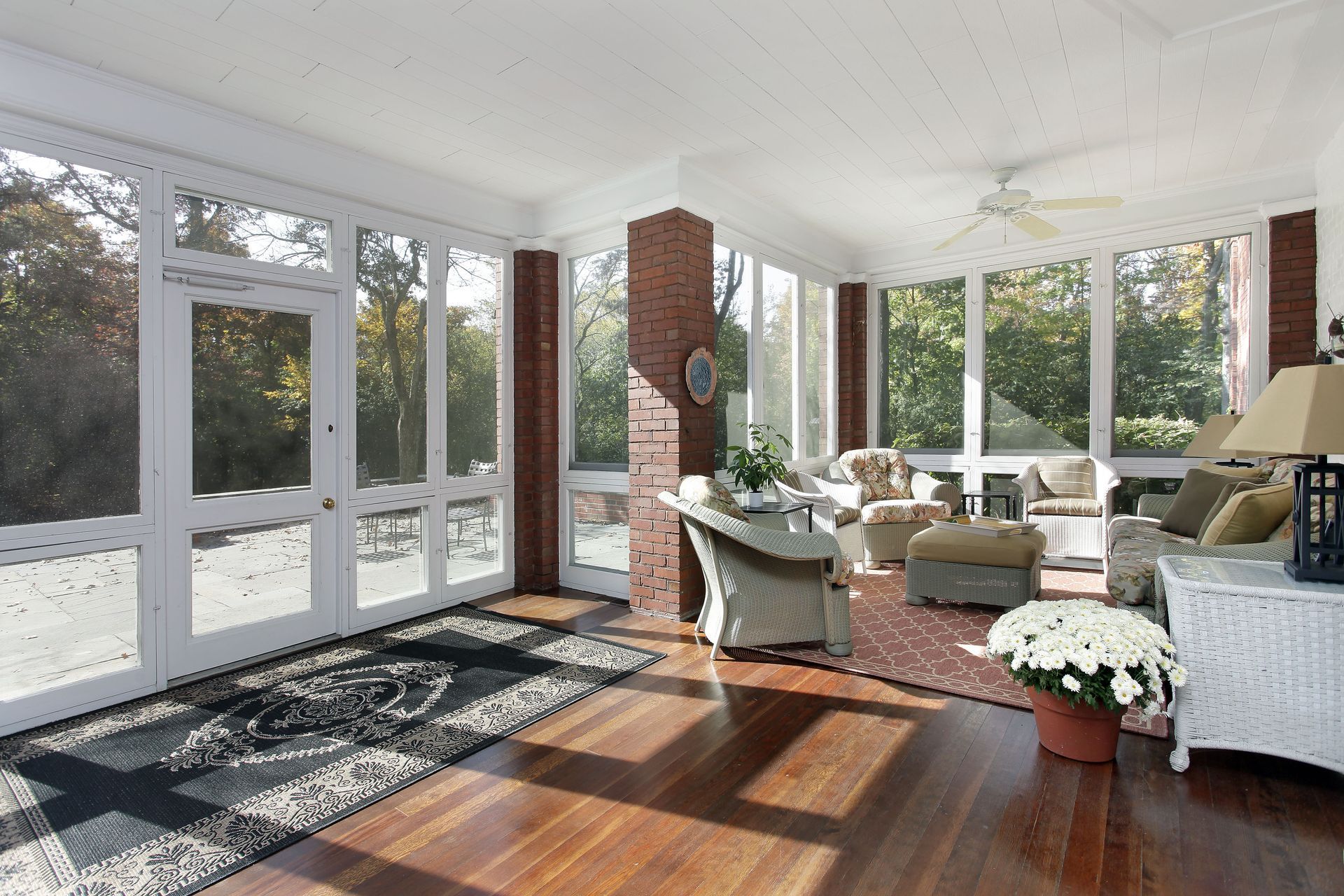
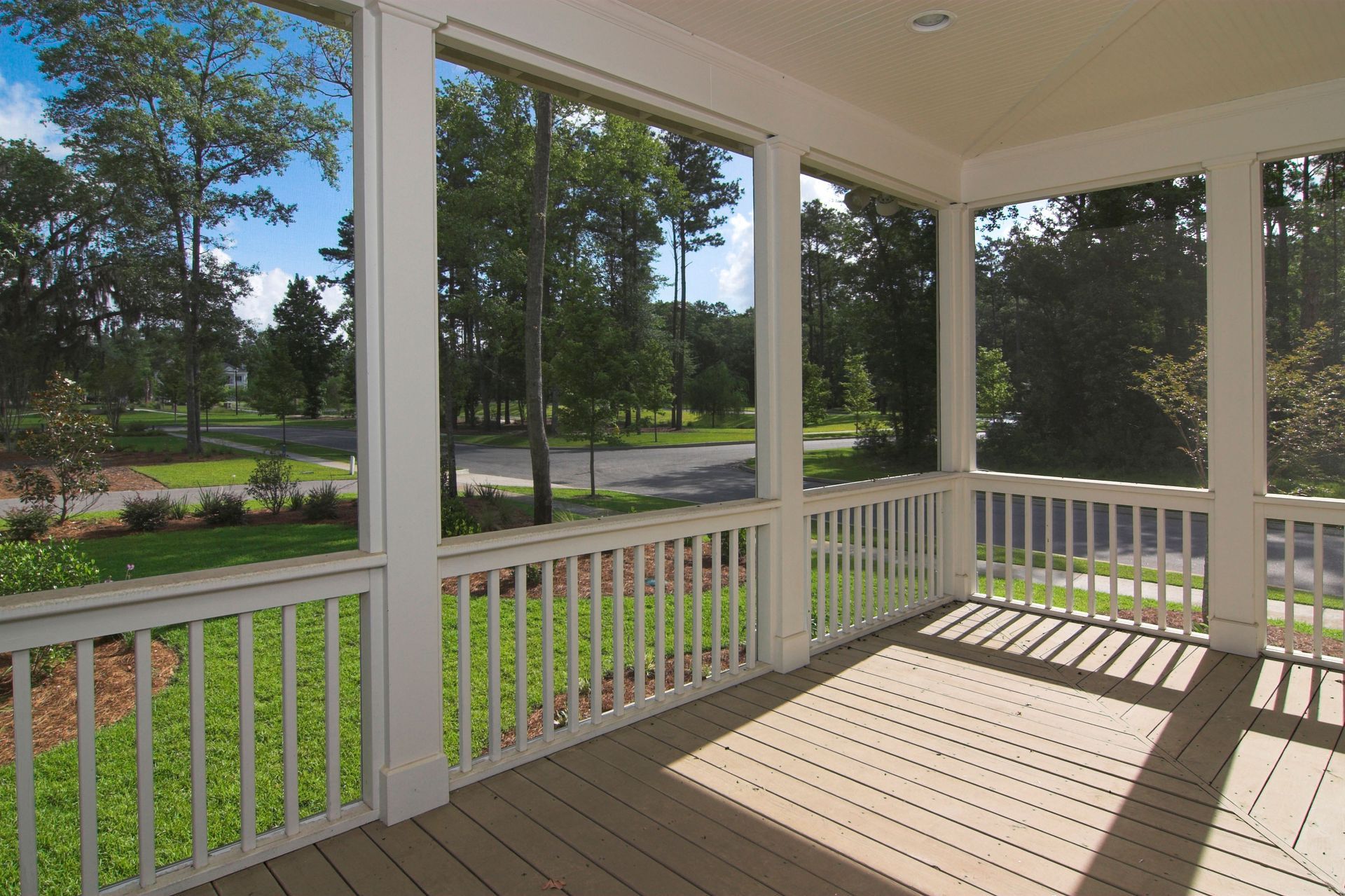
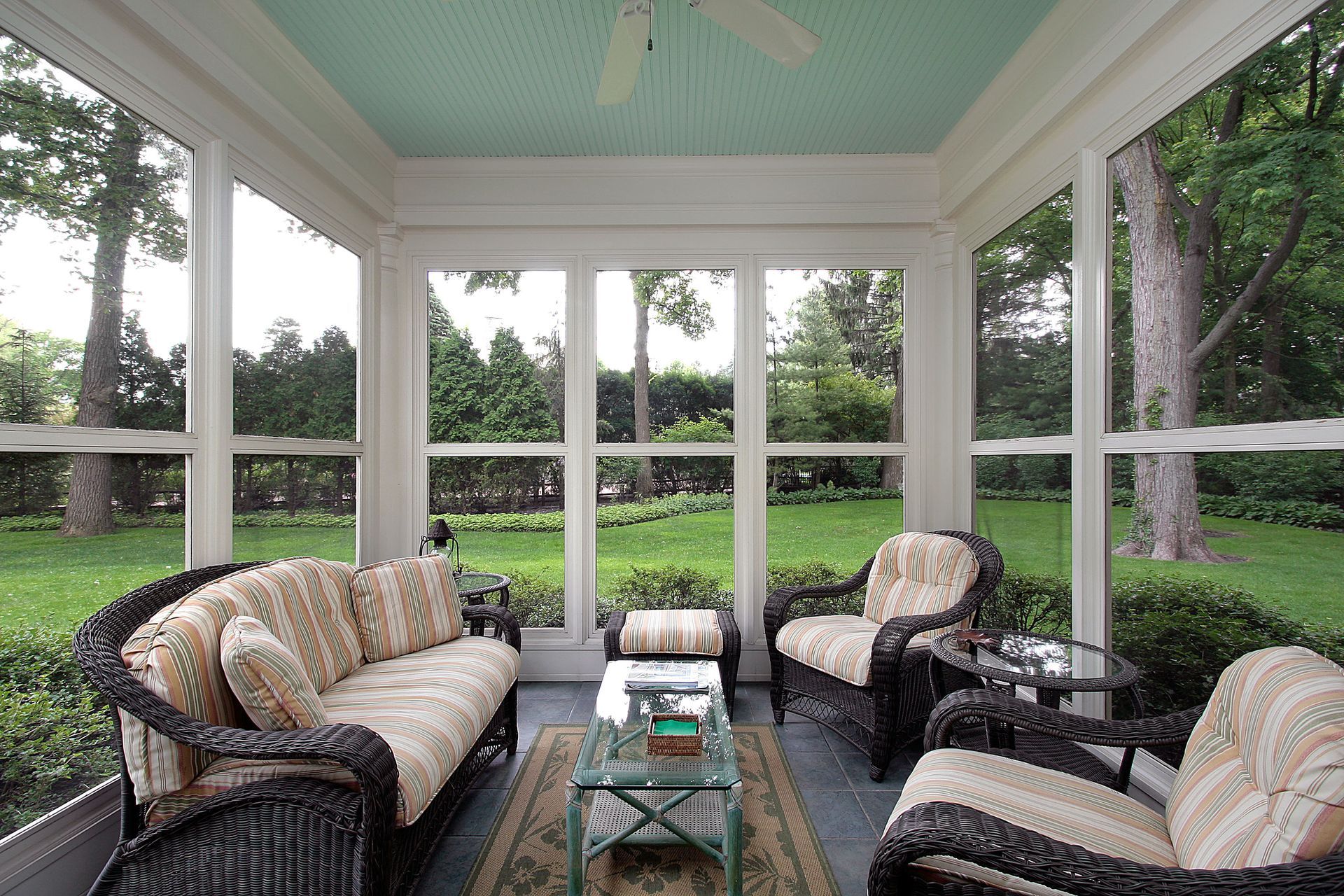
These screen systems are commonly used on patios, porches, decks, and large doorway openings. They can help extend usable living space by creating flexible indoor-outdoor transitions. In residential settings, they are often used to enclose outdoor seating areas, while in commercial environments they can help define outdoor dining or gathering spaces. Their versatility allows them to support both comfort and functional layout improvements.
Review the Types of Retractable Screens
Motorized units typically define these systems and allow smooth extension and retraction for everyday use. These systems are built to accommodate a wide range of opening sizes, from standard doorways to large patio or commercial openings. Some installations may also include vinyl panel options for added protection in outdoor environments where wind or weather exposure is a consideration. Each system is customized to fit the specific structure it is installed on, ensuring consistent performance and alignment.
Review Materials and Construction of Retractable Screens
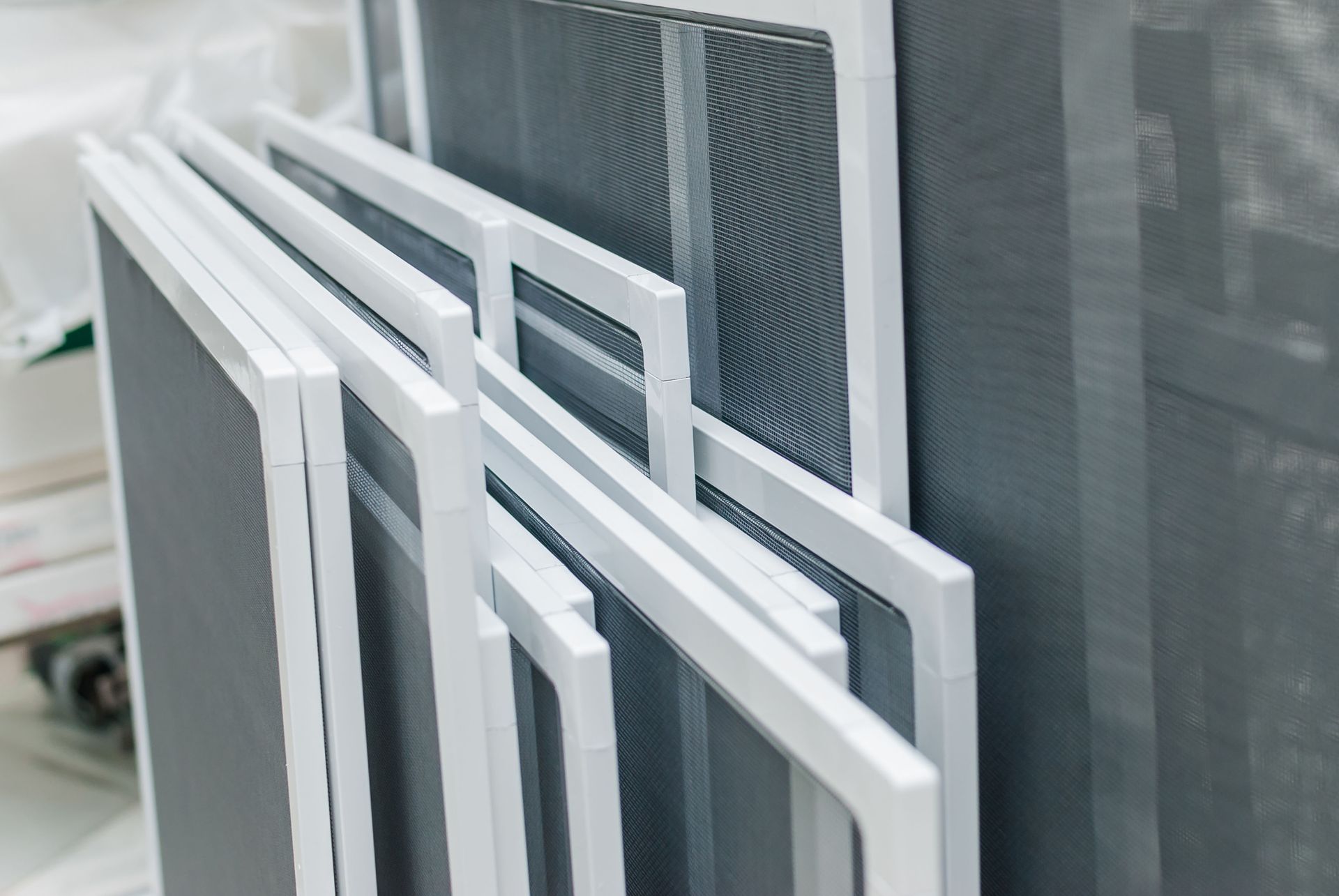
Durable mesh materials are commonly used in retractable screen systems to balance airflow and visibility while providing coverage from outdoor elements. Frame components are commonly built from aluminum to support structural stability and long-term use. Material selection is focused on durability and smooth system operation, especially for larger or frequently used installations. These construction choices help maintain performance in a variety of residential and commercial settings.
Smart Assessment of Your Home's Needs
Evaluate Your Home's Layout
Understanding the layout of your space is an important step in selecting a retractable screen system. Different openings may require different configurations depending on width, height, and usage. Selecting retractable screens for different openings may require different configurations depending on width, height, and usage. Entryways, patio openings, and large glass doors are common installation areas where these systems can improve functionality. Proper evaluation helps ensure the system fits seamlessly within the existing structure and supports intended use patterns.
Consider Climate Conditions
Local weather conditions can influence how these systems are used throughout the year. In warmer climates, they are often used to help reduce sun exposure in outdoor spaces and improve comfort during peak temperatures. In areas with variable seasonal conditions, they can provide flexible coverage that adjusts as needs change. Selecting a system suited to the environment helps improve long-term usability and comfort in outdoor areas.
Balance Aesthetic and Functionality
These systems are designed to integrate into existing structures without dominating the visual appearance of a space. When not in use, they remain discreet, preserving architectural lines and open views. Available finishes and design options allow them to complement different home styles while still serving a functional purpose. Retractable screens can be tailored to match both design preferences and practical needs. This balance supports both design consistency and everyday usability.
Understand Installation Complexity of Retractable Screens
Installation requirements vary depending on the size and type of system being used. Accurate measurements and proper mounting are important to ensure smooth operation and alignment. Because these systems are custom-fitted, installation typically involves careful preparation of the opening and surrounding structure. Attention to detail during installation helps support long-term performance and consistent operation.
Key Consideration of Features
Adjust Screen Opacity and Light Control
Different screen densities allow for varying levels of visibility and light control. Lighter mesh options maintain stronger outward visibility and airflow, while tighter weaves provide more shading and coverage. Selection depends on how the space will be used and the level of exposure desired. These variations help tailor performance to specific environmental and lifestyle needs.
Maintain Durability and Care of Retractable Screens
These systems are built for repeated use and exposure to outdoor conditions. Regular maintenance typically includes light cleaning of the screen material and occasional inspection of moving components to ensure smooth operation. Proper care helps maintain long-term performance and reduces the likelihood of operational issues. Consistent upkeep supports dependable use over time.
Explore Customization Options of Retractable Screens
Customization plays a key role in these systems. Each installation is designed to match the dimensions of the opening and can be configured to suit specific residential or commercial needs. Options may include different frame finishes and screen materials depending on the application. This flexibility allows the system to integrate more naturally into the surrounding space.
Use Automation and Motorized Operation of Retractable Screens
Motorized systems are operated using powered mechanisms that allow for easy extension and retraction. This makes them especially useful for larger openings or spaces that are used frequently. The motorized design supports convenient operation without manual handling, improving ease of use. These systems are designed to simplify access to outdoor areas with minimal effort.
Practical Installation and Maintenance of Retractable Screens
Prepare for Installation
Proper preparation is important before installation begins. This includes confirming accurate measurements and ensuring the installation area is structurally ready to support the system. Clear access to mounting locations helps streamline the installation process. Preparation also helps reduce delays and ensures a smoother setup experience overall.
Complete Professional Installation of Retractable Screens
Due to the custom nature of these systems, professional installation is commonly used to ensure proper fit and operation. Correct alignment and secure mounting are essential for long-term performance and smooth system movement. Skilled installation helps ensure that retractable screens function as intended from the start. This approach also supports consistent and dependable operation.
Perform Routine Maintenance of Retractable Screens
Maintenance requirements are generally minimal. Occasional cleaning of the screen surface helps prevent buildup of dust or debris that may affect performance. It is also recommended to periodically check the system's tracks and moving parts to ensure continued smooth operation. Routine care supports long-term usability and helps maintain system efficiency.
Balanced Consideration of Costs
This section has been intentionally excluded as pricing, financing, and cost comparisons vary widely depending on system size, configuration, and installation requirements. Homeowners typically receive project-specific estimates based on their individual space and design needs. According to IBISWorld, the U.S. window installation industry had 25,194 businesses in 2025 and was estimated at $6.7 billion in 2025.
For custom motorized screen systems, porch enclosures, vinyl panel options, and professional installation services, St. Louis Screens offers tailored solutions for both residential and commercial spaces. To learn more about available options and configurations, visit St. Louis Screens.